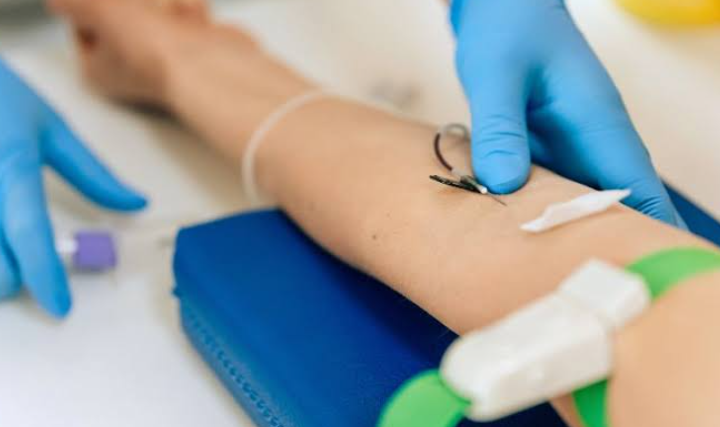
Starting a healthcare career often comes with some type of financial investment. College degrees can require years of tuition, while shorter training programs may still involve course fees, textbooks, equipment, and certification expenses. For someone considering phlebotomy, it is natural to wonder whether paying for training and certification will actually pay off. The answer depends on personal career goals, local employment opportunities, and the program chosen. Still, phlebotomy can offer a relatively direct path into healthcare without requiring the lengthy education associated with many clinical careers.
What Goes Into Certification Costs?
The cost of phlebotomy certification is not always a single fee, since prospective phlebotomists may need to account for training, study materials, examinations, background checks, uniforms, and other program requirements. Costs can vary considerably depending on the school, certification organization, location, and type of training involved. Some programs bundle several expenses together, while others charge separately for individual components.
This makes it important to look beyond the advertised tuition price. Before enrolling, students should ask for a complete breakdown of expected expenses. A program that initially appears inexpensive could become more costly once laboratory fees, supplies, or exam expenses are added. Comparing the total expected investment provides a much clearer picture.
Consider the Length of Training
Time is another factor that can affect whether certification feels worthwhile. Phlebotomy training is generally much shorter than education for careers such as nursing or medical laboratory science. Programs vary, but many are designed to help students develop practical skills without spending several years in school.
For someone eager to enter the workforce, shorter training can be particularly appealing. Less time in school may mean fewer months without a full-time income and fewer education-related expenses. Students who are balancing work, children, or other responsibilities may also appreciate programs offering evening, weekend, or flexible schedules. The ability to begin pursuing healthcare employment sooner can add significant value to the initial investment.
Certification May Strengthen Employment Options
Certification requirements vary depending on location and employer, so prospective students should research the expectations in the area where they intend to work. Even when certification is not legally required, some employers may prefer candidates who have completed recognized training and demonstrated their knowledge through an examination.
Phlebotomists can work in several healthcare environments, including hospitals, laboratories, physician offices, blood donation centers, and outpatient facilities. Each workplace has its own pace and expectations. A busy hospital may involve drawing blood from many different types of patients throughout a shift, while a smaller clinic might provide a more predictable daily routine. Having formal training can help applicants demonstrate that they have practiced essential procedures and understand basic professional standards.
Think About the Skills You Gain
The value of a phlebotomy program is not limited to the certificate itself. Students typically spend time developing practical skills that can be difficult to learn from books alone. Drawing blood safely requires attention to detail, proper identification procedures, infection-control practices, specimen handling knowledge, and the ability to communicate with patients who may be nervous.
Those interpersonal skills matter more than newcomers sometimes expect. A patient who dislikes needles may arrive visibly anxious, and a calm explanation can make the experience easier. Learning how to work accurately while helping someone feel comfortable is useful in phlebotomy and can carry into other patient-facing healthcare positions.
Phlebotomy Can Be a Starting Point
Not everyone who becomes a phlebotomist plans to remain in the same role throughout their career. Some people use the experience as an introduction to healthcare before pursuing additional education. Working around nurses, laboratory professionals, medical assistants, and other healthcare workers can provide a firsthand look at different career paths.
See Also: Personal Injury Lawyer in Houston, Texas: Truck Crash Lawsuits Explained
That experience may help someone decide whether further healthcare education makes sense for them. Instead of committing immediately to a multi-year program, a student can gain exposure to clinical settings and learn how comfortable they are working directly with patients. For career changers in particular, that can be valuable information.
Evaluate the Program Before Paying
Certification is more likely to be a worthwhile investment when the training itself is reputable and aligned with career goals. Prospective students should examine what the program teaches, how much hands-on practice it provides, whether it prepares students for an appropriate certification exam, and what prerequisites are involved.
It is also useful to ask about completion rates, scheduling, clinical experience, and career support. Be cautious about programs that make unrealistic promises about guaranteed jobs or unusually high earnings. Employment opportunities and wages vary by region, employer, experience, and other factors. A credible program should provide clear information rather than relying on aggressive promises.
Is It Worth It?
For many aspiring healthcare workers, phlebotomy certification can represent a practical investment because it provides focused training for a specific patient-care skill without necessarily requiring years of schooling. Whether it makes financial sense, however, should be judged against the full program cost, local job opportunities, certification requirements, and personal career plans.
Before enrolling, compare several programs and calculate every expected expense. Then consider what you want from the training. If your goal is to build hands-on healthcare experience, pursue phlebotomy work, or explore whether a clinical career suits you, certification may provide a useful entry point. A little research before committing can help ensure that the money and time you invest support where you actually want your career to go.