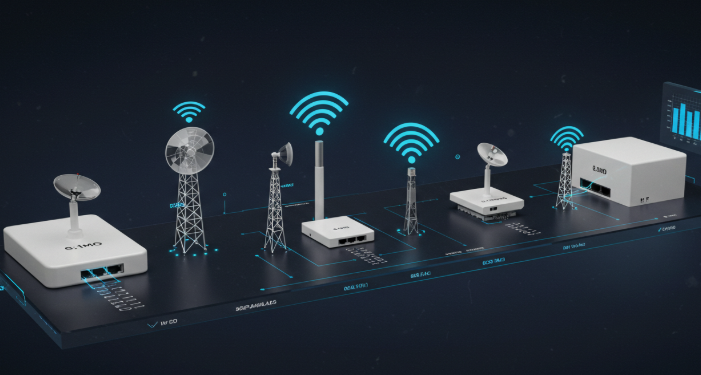
Wi-Fi technology has transformed dramatically since its early inception. Initial developments focused on basic wireless communication, but advancements have led to increasingly sophisticated standards. Today, the reliance on Wi-Fi is ubiquitous, shaping both personal and professional environments. As the demand for seamless connectivity rises, emerging trends hint at a future filled with innovation. What implications will these advancements have on society and technology as a whole? The answers may redefine connectivity in unexpected ways.
The Origins of Wi-Fi Technology
Although the concept of wireless communication dates back to the late 19th century, the origins of Wi-Fi technology can be traced to advancements in radio frequency and networking protocols in the late 20th century.
Early developments, including key inventions like spread-spectrum technology, laid the foundation for efficient data transmission, enabling the wireless connectivity that fosters freedom and flexibility in communication today.
The Evolution of Wi-Fi Standards
The progression of Wi-Fi technology has been significantly influenced by the establishment of various standards that define how wireless communication operates.
Each Wi-Fi generation, from 802.11b to the latest 802.11ax, showcases advancements in speed, range, and efficiency.
Standard comparisons highlight the transformative impact of these developments, enabling users to enjoy increasingly reliable connectivity and greater freedom in their digital experiences.
Current Trends in Wi-Fi Usage
As remote work and digital connectivity continue to dominate everyday life, current trends in Wi-Fi usage reflect a shift towards higher demand for robust and reliable internet access.
Users increasingly seek seamless smart home integration and enhanced mobile connectivity, facilitating effortless control of devices and maintaining constant communication.
This evolution underscores the necessity for advanced infrastructure to support the expanding digital landscape and consumers’ aspirations for freedom and convenience.
The Future of Wireless Connectivity
With the increasing reliance on digital technologies, the future of wireless connectivity is poised for transformative advancements.
The integration of 5G will enhance IoT advancements, driving the development of smart cities.
Satellite internet promises global access, bridging connectivity gaps.
Together, these innovations will empower individuals and communities, fostering greater freedom and flexibility in navigating an increasingly interconnected world.
Conclusion
In conclusion, Wi-Fi technology has transformed from a fledgling concept into a vital backbone of modern connectivity, much like a river shaping the landscape it traverses. As advancements continue to flow, future innovations promise to further enhance the speed, reliability, and accessibility of wireless communication. With the integration of emerging technologies, the potential for Wi-Fi to support a connected world appears boundless, paving the way for smarter homes, workplaces, and communities that thrive on seamless connectivity.