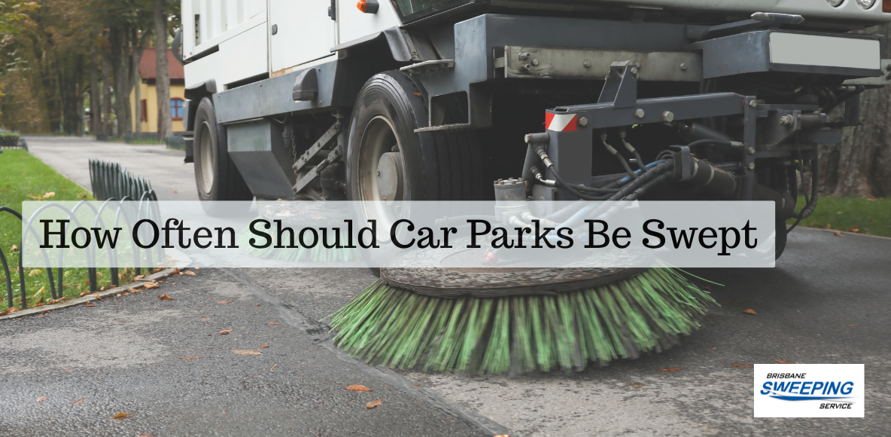
To be honest, there’s no fixed answer for how often you need car park sweeping. Every property is different, and what works for a quiet office building won’t cut it for a busy shopping centre.
Usually, most Brisbane properties need cleaning somewhere between weekly and monthly. Through our experience handling different sites at Brisbane Sweeping, we’ve seen what actually works for car park cleaning services across various property types. Traffic volume plays a major role here, along with weather patterns and what your space deals with daily.
In this blog, we’ll break down exactly what affects your sweeping schedule. We’ll start with traffic-based frequency guidelines, then cover the factors that shift those timelines. Let’s get into the specifics so you can work out what your car park actually needs.
How Often Do You Actually Need Car Park Sweeping in Brisbane?
The short answer is it depends on how much traffic your car park sees. Most Brisbane properties fall into three categories: light traffic needing monthly sweeps, moderate use requiring fortnightly cleaning, and heavy traffic zones that need weekly attention.
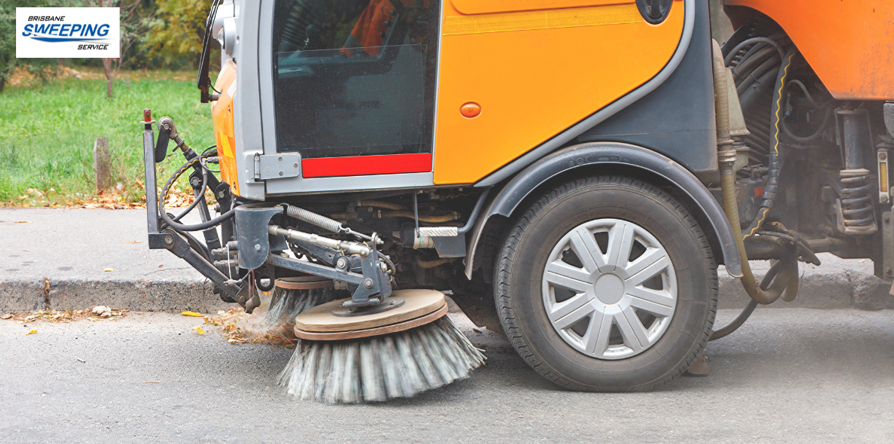
Let’s break down what each one looks like.
Light Traffic Areas: Monthly Works Fine
Small office buildings or quiet retail spots with maybe 20-50 cars a day handle monthly sweeps without issues. You’ll see leaves and light dust build up here and there, but it happens slowly when you’re not dealing with constant vehicle movement.
The sweeping itself takes about an hour for an average 30-bay car park. Monthly service keeps things presentable without costing an arm and a leg (around $150-200 per visit for most small sites).
Moderate Use: Fortnightly Keeps Things Tidy
Shopping centres and mid-sized commercial complexes pulling 100-200 vehicles daily see steady dirt accumulation every two weeks. The reason fortnightly is unavoidable is that oil stains start setting deep into the concrete pores around the 10-14 day mark, which turns them into permanent marks.
This schedule saves you from needing expensive pressure cleaning down the track, which can run $500+ for a full car park treatment. It balances ongoing costs with maintaining a professional look that customers actually notice.
See also: Wi-Fi Technology: Past, Present, and Future
Heavy Traffic Zones: Weekly or Bust
Busy shopping centres, warehouses, and industrial sites processing 300+ vehicles daily need weekly attention to stay compliant with local council requirements. From what we’ve seen across Brisbane industrial sites, heavy vehicles track in construction dust, oil drips, mud from work boots, and general debris that piles up within 3-4 days.
However, weekly sweeps prevent slip hazards (especially around loading bays where oil accumulates fast) and keep drainage systems flowing properly. That way, you’re not dealing with pooling water after every storm.
What Happens When You Skip Regular Car Park Cleaning Services?
If you’ve ever pulled into a car park covered in oil stains and spotted rubbish gathering near the drains, you know exactly how dodgy it looks (and that’s before we talk about the compliance headaches). Let’s be real here: skipping regular maintenance creates problems that cost way more to fix later.
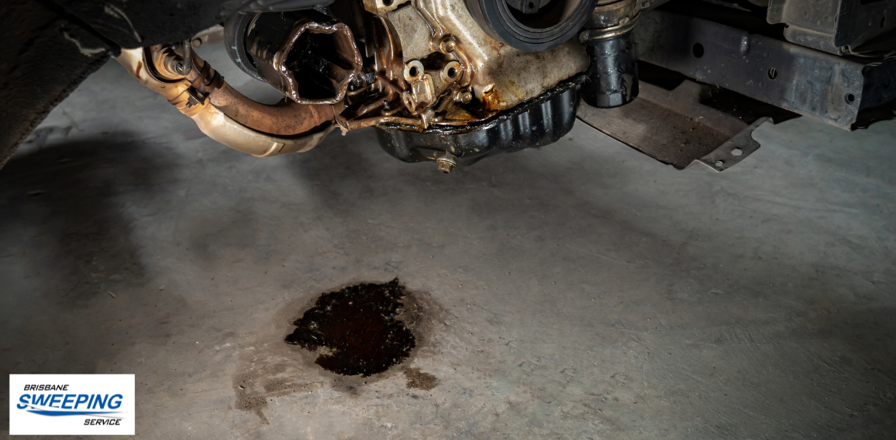
Oil and chemical spills seep into concrete within days, creating permanent stains that regular sweeping can’t touch anymore. Once oil penetrates past the surface layer, you’re looking at professional pressure cleaning or even concrete resurfacing to get it out. Blocked drains from leaf litter cause flooding during Brisbane’s storm season (and the damage adds up fast).
When drains overflow, water pools across parking bays and can seep into building foundations or damage landscaping. Dirt buildup makes your property look neglected, which drives potential tenants or customers away before they even park.
The risk is not only about appearances. Slippery surfaces from oil and grime create safety hazards that could land you in hot water with WorkSafe Queensland. One slip-and-fall claim costs more than years of regular car park cleaning services.
Factors That Change Your Sweeping Schedule
The best part about understanding what affects your car park is that you can adjust your cleaning schedule before problems start, saving money on emergency cleanouts.
Here are the main factors that’ll change how often you need sweeping:
- Tree Coverage and Seasonal Debris: Properties with gum trees or figs can see car parks covered in leaves within a week, especially during autumn and storm seasons. Now here’s where it gets tricky: buildings without nearby trees might only deal with windblown rubbish, which means the difference between monthly and fortnightly cleaning schedules.
- Nearby Construction Activity: Construction sites or demolition work happening within a few blocks means dust and debris land on your car park daily (it’s more common than you think). That fine dust settles everywhere and turns into grimy sludge when it rains, requiring more frequent sweeping than usual.
- Foot Traffic Volume: Shopping centres with food courts see oil from takeaway containers, drink spills, and general dirt tracked through constantly. High foot traffic from retail or events brings in way more grime than quiet office spaces, where people just walk from cars to buildings. Instead of cutting corners on frequency during busy periods, you’ll actually need to increase cleaning.
- Coastal Salt and Sand Exposure: Coastal locations near Brisbane deal with sand and salt spray year-round, which accelerates concrete wear and creates that gritty buildup. The salt also makes oil stains stick harder to surfaces, requiring industrial cleaning equipment to properly remove.
Pro tip: Keep a quick maintenance log for a month, noting what accumulates and how fast. You’ll spot patterns that help you lock in the right sweeping schedule without guessing.
Does Weather Impact Car Park Maintenance?
Yes, Brisbane’s weather absolutely changes how often you need car park sweeping, and ignoring seasonal patterns means you’ll be calling for emergency cleaning services during storm season. Want to know the best part? Planning around the weather saves you money compared to reactive maintenance.
Summer storms dump leaves and debris that block drains within hours, turning your car park into a lake if the grates are already clogged.
From what we’ve seen during Brisbane’s wet season, properties that increase their cleaning frequency in November through March avoid the worst drainage problems.
Dry winter months let dust settle thick across surfaces between rains (something most people overlook until it’s too late).
The thing is, humidity makes oil stains spread faster and stick harder to concrete too. That small drip from a leaking engine in January becomes a permanent mark by February if you’re not keeping up with regular sweeping. The moisture works like glue, bonding the oil deeper into the concrete pores before you can lift it out.
Industrial Floor Sweepers vs Pressure Cleaning: Which One When?
Should you stick with dry sweeping or bring in the scrubbing services? Both have their place, and knowing when to use each saves you from paying for cleaning that doesn’t fix the problem. Let’s break down which method works for what:
Dry Sweeping with Top Quality Equipment
Regular sweeping handles loose dirt, leaves, and light debris efficiently without needing water or drying time. The thing is, modern industrial floor sweepers collect fine dust particles that manual brooms just push around (which matters if you’ve got warehouses or construction nearby). Brisbane Sweeping’s equipment can cover a standard 50-bay car park in about 30-45 minutes.
What makes dry methods practical is that they work year-round since there’s no water access needed and no slippery surfaces left behind. These sweepers are fitted with HEPA filters that trap dust instead of spreading it through the air, keeping conditions better for anyone working or parking nearby.
When Scrubbing Services Are Worth It
Oil stains and tyre marks need pressure cleaning or scrubbing to lift properly from concrete surfaces. Regular sweeping won’t touch these once they’ve set in. Through our practical knowledge of body corporate properties across Brisbane, quarterly deep cleans using the latest technology restore surfaces to near-new condition without replacing the concrete itself.
The equipment involved uses heated water, and cleaning agents are worked into the surface with mechanical scrubbing action. This gets into textured concrete that dry sweeping can’t fully clean, especially those rough finishes designed for slip resistance.
The combination of pressure cleaning and scrubbing removes embedded grime that builds up over months, which is why most commercial properties schedule this alongside their regular sweeping routine.
Signs Your Car Park Needs Immediate Attention
Spotting these warning signs early means you can book cleaning services before customers complain or compliance issues show up. You might be thinking these are obvious, but plenty of property managers miss them until it’s too late:
- Visible Oil Patches or Dark Staining: Oil stains spreading across parking bays mean spills have been sitting there long enough to penetrate the concrete. Once you see dark patches wider than the original drip, regular sweeping won’t fix it anymore.
- Leaves Piling Up Near Drains: Debris collecting along building edges or around drain grates blocks water flow during storms. Even a small pile can cause major pooling when Brisbane’s heavy rain hits.
- Dust Clouds Kicking Up: If cars driving through your car park create visible dust clouds, the dirt buildup has reached the point where it’s affecting air quality. This happens faster in dry months, but signals you’re overdue for cleaning.
- Customer or Tenant Complaints: When people start mentioning the state of your car park, the problem’s already noticeable enough to hurt your property’s reputation. These complaints usually come after weeks of visible decline.
- Pooling Water After Rain: Water that won’t drain away after storms means your drainage system is blocked with debris and needs immediate attention before the next downpour causes real flooding.
Honestly, most emergency callouts we get at Brisbane Sweeping could’ve been avoided if someone had noticed these signs a week earlier. The difference between a quick scheduled clean and an urgent response is usually just paying attention to what’s underfoot.
Keep Your Car Park Looking Sharp Year-Round
Now that you know what affects sweeping frequency and how to spot problems early, here’s how to keep your car park in top shape without constant stress. A safe bet is booking weekly sweeps for high-traffic areas, fortnightly for moderate use, and monthly for light traffic based on your actual vehicle counts.
Adjust these frequencies during Brisbane’s storm season (November to March) when debris accumulates faster. Properties near construction sites or with heavy tree coverage need to bump up their schedule by one level during peak periods.
Professional cleaning services handle the heavy lifting while you focus on other property maintenance. Keep a simple log of what builds up between cleans so you can fine-tune your schedule over time. The goal is preventing problems rather than reacting to them, which saves money and keeps compliance officers happy.